Wednesday, June 7, 2023

ISS Daily Summary Report – 6/06/2023

iss-about-banner


SpaceX-28 (SpX-28) Docking: SpX-28 successfully docked to the Node 2 Zenith port this morning at 5:04 AM CT. The crew then performed leak checks, opened hatches, and began unloading cargo. Carrying food, supplies, and two ISS Roll Out Solar Arrays (IROSA), the SpX-28 spacecraft launched from the NASA’s Kennedy Space Center on Monday, June 5th, … ...

June 06, 2023 at 12:00PM
From NASA: https://blogs.nasa.gov/stationreport/2023/06/06/iss-daily-summary-report-6-06-2023/

Tuesday, June 6, 2023


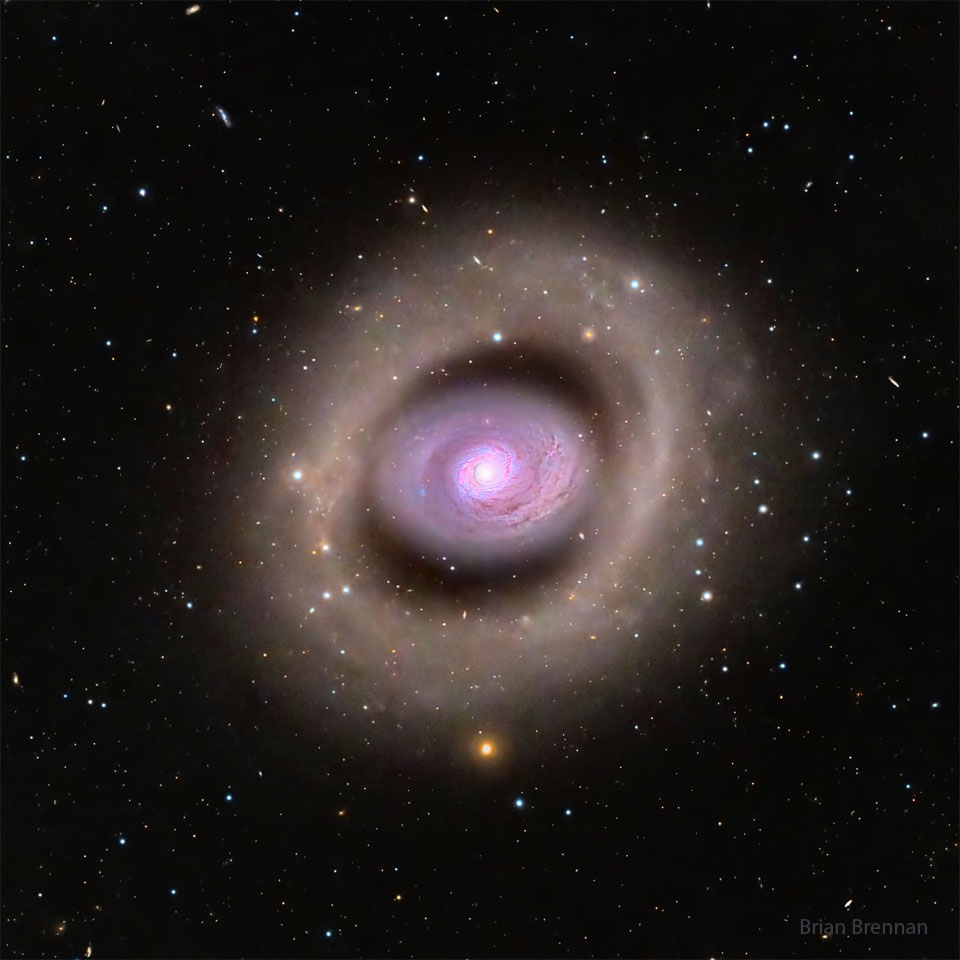
Most galaxies don't have any rings of stars and gas -- why does M94 have two? First, spiral galaxy M94 has an inner ring of newly formed stars surrounding its nucleus, giving it not only an unusual appearance but also a strong interior glow. A leading origin hypothesis holds that an elongated knot of stars known as a bar rotates in M94 and has generated a burst of star formation in this inner ring. Observations have also revealed another ring, an outer ring, one that is more faint, different in color, not closed, and relatively complex. What caused this outer ring is currently unknown. M94, pictured here, spans about 45,000 light years in total, lies about 15 million light years away, and can be seen with a small telescope toward the constellation of the Hunting Dogs (Canes Venatici).

https://apod.nasa.gov/apod/ap230607.html ( June 07, 2023)

A Bloom in Space


This colorful zinnia, shown in an image from Jan. 22, 2016, grew aboard the International Space Station as part of the VEG-01 experiment.

from NASA http://www.nasa.gov/image-feature/a-bloom-in-space
via IFTTT

ISS Daily Summary Report – 6/05/2023

iss-about-banner


SpaceX-28 (SpX-28) Launch: The SpX-28 Dragon spacecraft launched aboard a Falcon 9 rocket from Launch Complex 39A at NASA’s Kennedy Space Center in Florida at 10:47 AM CDT this morning, and is scheduled to dock to the ISS tomorrow morning at 4:50 AM CDT. The spacecraft is carrying supplies and hardware to the ISS, including … ...

June 05, 2023 at 12:00PM
From NASA: https://blogs.nasa.gov/stationreport/2023/06/05/iss-daily-summary-report-6-05-2023/

Monday, June 5, 2023


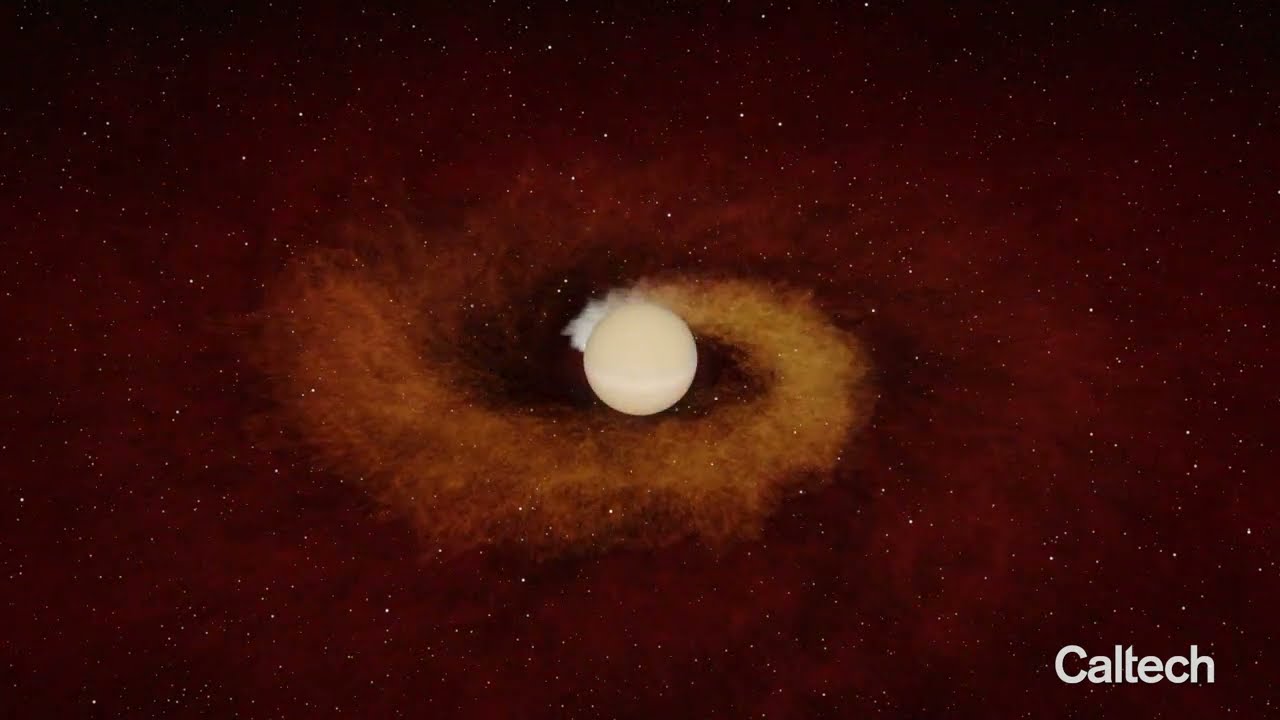
It’s the end of a world as we know it. Specifically, the Sun-like star ZTF SLRN-2020 was seen eating one of its own planets. Although many a planet eventually dies by spiraling into their central star, the 2020 event, involving a Jupiter-like planet, was the first time it was seen directly. The star ZTF SLRN-2020 lies about 12,000 light years from the Sun toward the constellation of the Eagle (Aquila). In the featured animated illustration of the incident, the gas planet's atmosphere is first pictured being stripped away as it skims along the outskirts of the attracting star. Some of the planet's gas is absorbed into the star's atmosphere, while other gas is expelled into space. By the video's end, the planet is completely engulfed and falls into the star's center, causing the star's outer atmosphere to briefly expand, heat up, and brighten. One day, about eight billion years from now, planet Earth may spiral into our Sun.

https://apod.nasa.gov/apod/ap230606.html ( June 06, 2023)

Sunday, June 4, 2023


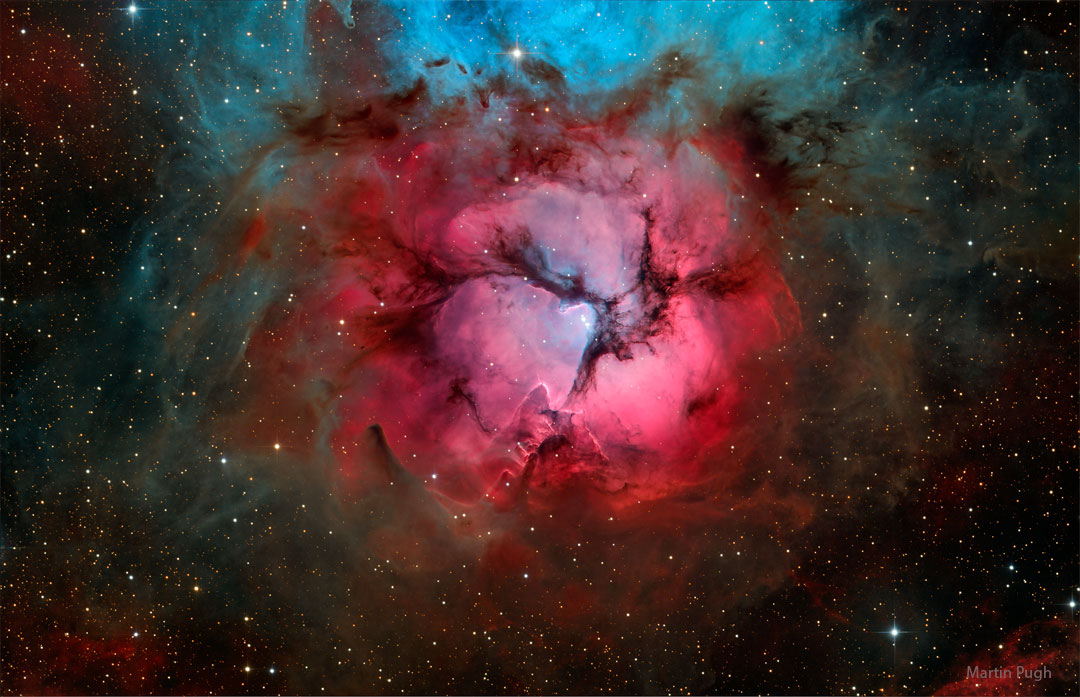
What's happening at the center of the Trifid Nebula? Three prominent dust lanes that give the Trifid its name all come together. Mountains of opaque dust appear near the bottom, while other dark filaments of dust are visible threaded throughout the nebula. A single massive star visible near the center causes much of the Trifid's glow. The Trifid, cataloged as M20, is only about 300,000 years old, making it among the youngest emission nebulas known. The star forming nebula lies about 9,000 light years away toward the constellation of the Archer (Sagittarius). The region pictured here spans about 20 light years.

https://apod.nasa.gov/apod/ap230605.html ( June 05, 2023)

Saturday, June 3, 2023


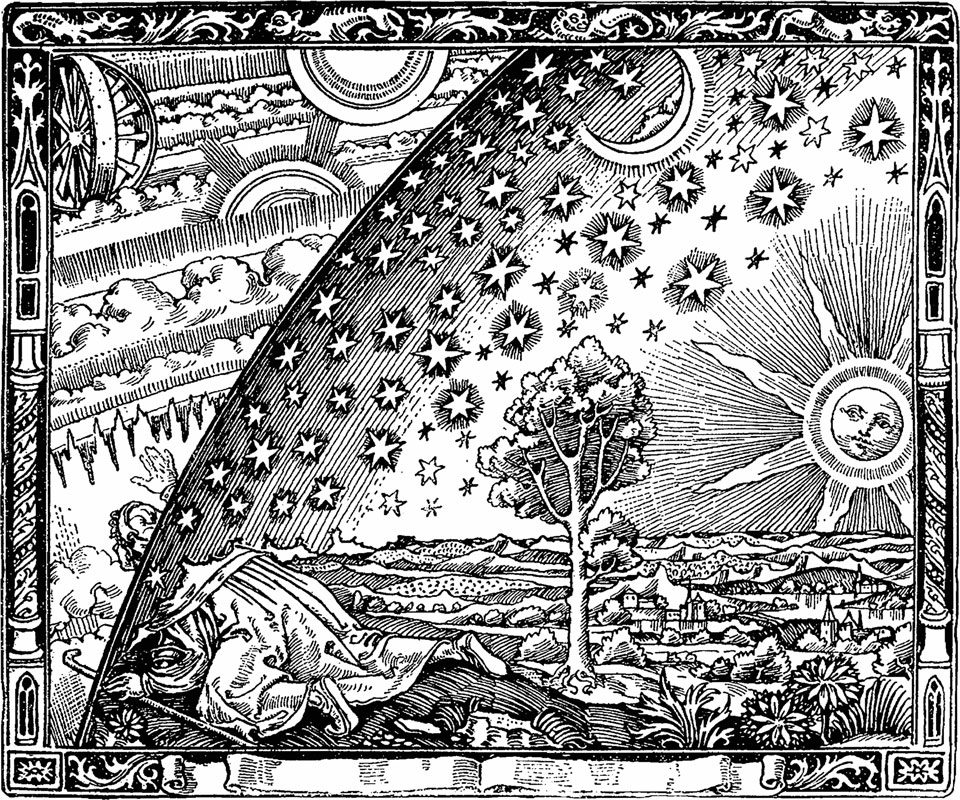
Wouldn't it be fun to color in the universe? If you think so, please accept this famous astronomical illustration as a preliminary substitute. You, your friends, your parents or children, can print it out or even color it digitally. While coloring, you might be interested to know that even though this illustration has appeared in numerous places over the past 100 years, the actual artist remains unknown. Furthermore, the work has no accepted name -- can you think of a good one? The illustration, first appearing in a book by Camille Flammarion in 1888, is frequently used to show that humanity's present concepts are susceptible to being supplanted by greater truths.

https://apod.nasa.gov/apod/ap230604.html ( June 04, 2023)

Friday, June 2, 2023

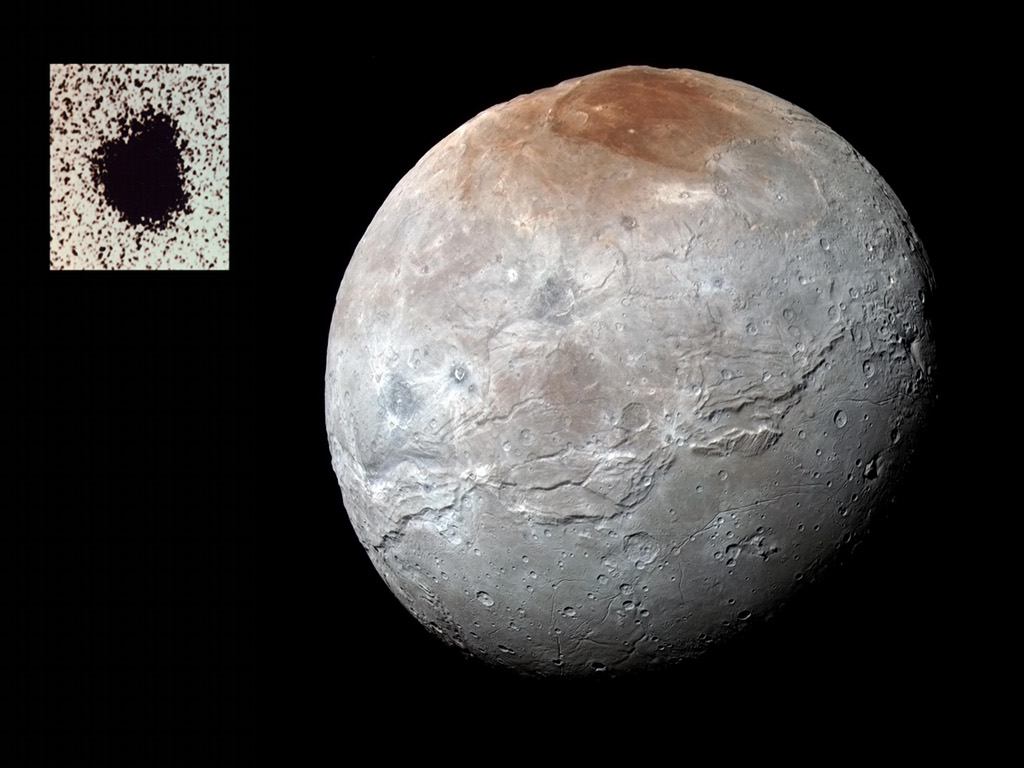
Charon: Moon of Pluto


A darkened and mysterious north polar region known to some as Mordor Macula caps this premier high-resolution view. The portrait of Charon, Pluto's largest moon, was captured by New Horizons near the spacecraft's closest approach on July 14, 2015. The combined blue, red, and infrared data was processed to enhance colors and follow variations in Charon's surface properties with a resolution of about 2.9 kilometers (1.8 miles). A stunning image of Charon's Pluto-facing hemisphere, it also features a clear view of an apparently moon-girdling belt of fractures and canyons that seems to separate smooth southern plains from varied northern terrain. Charon is 1,214 kilometers (754 miles) across. That's about 1/10th the size of planet Earth but a whopping 1/2 the diameter of Pluto itself, and makes it the largest satellite relative to its parent body in the Solar System. Still, the moon appears as a small bump at about the 1 o'clock position on Pluto's disk in the grainy, negative,telescopic picture inset at upper left. That view was used by James Christy and Robert Harrington at the U.S. Naval Observatory in Flagstaff to discover Charon in June of 1978.

https://apod.nasa.gov/apod/ap230603.html ( June 03, 2023)

ISS Daily Summary Report – 6/01/2023

iss-about-banner


Payloads: Combustion Integrated Rack/Solid Fuel Ignition and Extinction/Growth and Extinction Limit (CIR/SoFIE/GEL): The crew gained access to the CIR/SoFIE combustion area, reassembled the igniter arm, installed a sample, and replaced the combustion chamber seals. The igniter arm had been stuck in the log flow duct, and this is the final crew activity to resolve the … ...

June 01, 2023 at 12:00PM
From NASA: https://blogs.nasa.gov/stationreport/2023/06/01/iss-daily-summary-report-6-01-2023/

U.S. Poet Laureate Ada Limón Unveils Poem for Europa Clipper


U.S. Poet Laureate Ada Limón reads her poem for the Europa Clipper mission during an event with NASA, Thursday, June 1, 2023, at the Library of Congress in Washington.

from NASA http://www.nasa.gov/image-feature/us-poet-laureate-ada-limo-n-unveils-poem-for-europa-clipper
via IFTTT